Which Devices Support eSIM and What Are the Technical Limits in 2026
10/11/2026
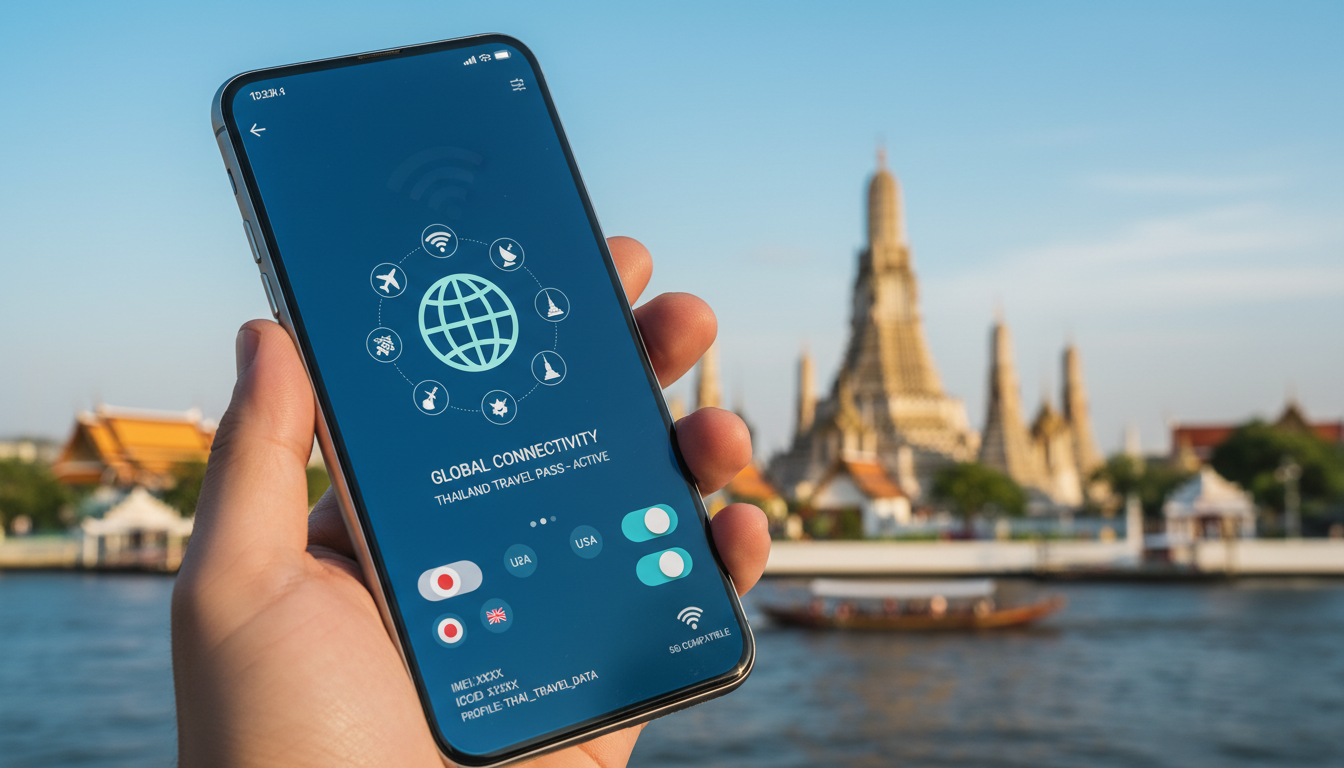
Which Devices Support eSIM Technology and What Are the Technical Limits?
If you’re curious about eSIM technology and wondering which devices actually support it, you’ve come to the right place. eSIM, or embedded SIM, is a digital replacement for the traditional physical SIM card, integrated directly into your device.
This means no more fiddling with tiny cards when switching carriers or traveling internationally. But not every phone or gadget can use an eSIM, and there are technical boundaries that affect how you can activate and manage these virtual SIMs.
Understanding device compatibility and the technical limitations is crucial if you want to make the most of eSIMs, especially when traveling in places like Thailand where local data plans can save you money and hassle.
Devices Compatible With eSIM: What You Need to Know
eSIM technology requires hardware and software support built into the device. Here’s a breakdown of which devices typically support eSIM and why some don’t.
Smartphones Supporting eSIM
Most recent flagship smartphones from major brands include eSIM functionality. For example:
- Apple iPhone models from iPhone XS, XR, and later all have built-in eSIMs supporting dual SIM functionality (one physical SIM + one eSIM).
- Google Pixel phones starting with Pixel 3 support eSIM.
- Samsung Galaxy S20 series and newer include eSIM support, but availability varies by region and carrier.
- Huawei P40 and later also offer eSIM capability.
The key technical condition here is that the device must have an embedded secure element chip that stores the eSIM profile securely. Without this chip, the device cannot provision or activate an eSIM profile.
Tablets, Wearables, and Other Devices
Beyond phones, some tablets like the iPad Pro (2018 and later) and iPad Air (3rd generation onward) support eSIMs for cellular connectivity. Smartwatches such as the Apple Watch Series 3 and newer also use eSIM technology to enable cellular service independently of your phone.
However, many budget or older devices lack this embedded hardware or compatible firmware, making them incompatible with eSIMs. For instance, most mid-range Android phones released before 2019 do not support eSIM.
Field Observation: Firmware Updates Affect Compatibility
Even if a device has the hardware for eSIM, it needs firmware or operating system support to activate it properly. For example, some Samsung Galaxy models require a specific software update to enable full eSIM functionality with certain carriers.
Without this update, users might see limited or no option to add an eSIM profile.
This means that compatibility is not just about hardware but also about software readiness — a crucial detail many overlook when considering switching to an eSIM.
Technical Limitations of Using an eSIM
While eSIMs offer convenience, there are technical constraints that impact their use:
Activation Methods Depend on Device and Carrier
Activating an eSIM usually involves scanning a QR code provided by your carrier or using a dedicated app. However, not all carriers support remote provisioning via GSMA specification SGP.22, which governs remote SIM provisioning for consumer devices.
This limits where and how you can activate an eSIM.
For example, in Thailand, major operators like AIS, TrueMove H, and dtac offer eSIM plans but require compatible devices that support their specific activation protocols. If your phone’s firmware does not fully implement these protocols, activation may fail or require manual intervention.
Limited Number of Profiles Stored
An embedded SIM chip can store multiple profiles but typically supports only up to five active profiles due to secure element memory constraints. This means you can switch between several carriers or plans without swapping physical cards but cannot load unlimited profiles.
The mechanism here is that each profile contains encrypted credentials tied to a carrier’s network access. Overloading the secure element risks corruption or failure to authenticate properly.
No Physical Removal Means No Manual Swap
Unlike physical SIM cards that you can remove instantly if something goes wrong, an eSIM profile is managed digitally through software settings. If your device’s operating system crashes or locks up during profile management, you might lose access temporarily until rebooting or resetting network settings.
This technical limitation requires users to be cautious when switching profiles frequently — I always start by backing up my current profile settings before adding or removing any new ones.
How Device Compatibility Influences Your Travel Experience in Thailand
Travelers often switch local SIM cards to avoid roaming fees. With an eSIM-compatible device, you can skip physically swapping cards at airports or shops in Thailand.
Benefits of Using an eSIM for International Travel
- Instant activation via QR codes from providers like those listed on ThailandTravelSim.com.
- Ability to keep your home number active while using local data plans.
- Avoid losing tiny physical SIM cards during travel transitions.
However, I’d advise against relying solely on your phone’s default carrier app for activation because some regional carriers require specific apps or manual QR scanning due to their provisioning systems.
Compatibility Check Before You Travel
Before heading to Thailand, verify your device’s compatibility with local operators’ eSIM plans:
- Check if your phone supports dual SIM with one physical + one embedded SIM.
- Confirm firmware version supports GSMA SGP.22 remote provisioning.
- Review if your device allows manual QR code scanning for activation.
For detailed guides on activating an eSIM in Thailand and choosing the best providers like AIS or TrueMove H, visit this comprehensive guide.
The Future of Device Compatibility With eSIM Technology
The adoption of eSIM is growing fast but unevenly across devices and regions:
Industry Trends Toward Wider Support
Newer smartphones increasingly ship with only an embedded SIM slot—Apple’s iPhone 14 models sold in some countries have completely removed physical SIM trays. This shift reflects confidence in the security standards defined by GSMA specifications like SGP.22 for remote provisioning.
Limitations That May Persist
Despite progress, some devices will remain incompatible due to cost constraints (embedded secure chips add manufacturing cost) or legacy design choices. Also, certain carriers still rely on physical SIM distribution due to regulatory requirements or infrastructure limitations.
Security Features Tied to Device Hardware
The security of an eSIM depends heavily on the device’s secure element chip design. Devices compliant with standards like GlobalPlatform Secure Element specifications ensure encrypted storage of subscriber identity data resistant to cloning or tampering.
This hardware-level security is a fundamental difference from traditional plastic SIM cards that can be physically swapped or cloned more easily.
How To Switch Your Device From a Physical SIM To an eSIM
Switching involves several steps that depend on your device model:
- Check Device Compatibility: Confirm your phone supports embedded SIM functionality.
- Obtain an Activation Code: Usually a QR code from your carrier or provider.
- Scan the QR Code: Use your phone’s settings menu under cellular/mobile plans.
- Activate Profile: Follow prompts; some devices require restarting after activation.
- Manage Profiles: You can switch between active profiles in settings without removing anything physically.
A common mistake is over-tightening activation steps by trying multiple scans rapidly — this can cause temporary lockout of profile activation servers on some devices due to rate limiting protocols implemented by carriers.
For step-by-step instructions tailored for travelers in Thailand using local providers’ offers, check out this practical resource.
By understanding which devices are compatible with eSIM technology and recognizing its technical limits—such as activation protocols governed by GSMA SGP.22 standards and secure element memory constraints—you can confidently decide whether switching makes sense for your travel needs in Thailand or daily life abroad. The convenience of managing multiple profiles digitally without swapping physical cards is compelling but requires careful attention to device capabilities and carrier requirements before making the leap.
FAQ
Which smartphones currently support eSIM technology?
Most flagship smartphones from recent years support eSIM, including Apple iPhone models from XS and XR onward, Google Pixel 3 and newer, Samsung Galaxy S20 series and later, and Huawei P40 and above. These devices have the necessary embedded secure element chip for eSIM functionality.
What technical limits affect eSIM activation on devices?
eSIM activation depends on both hardware and software support, including carrier protocols like GSMA SGP.22. Some devices require firmware updates to fully enable eSIM features, and not all carriers support remote provisioning, which can limit where and how you activate your eSIM.
How many eSIM profiles can a device typically store?
Devices usually store up to five active eSIM profiles due to secure element memory constraints. This allows switching between multiple carriers or plans without physical SIM swaps but limits the total number of profiles you can keep on one device.
What are the benefits of using an eSIM while traveling in Thailand?
Using an eSIM in Thailand lets travelers activate local data plans instantly via QR codes without swapping physical SIM cards. It helps keep your home number active, avoids losing tiny SIM cards, and simplifies switching between local carriers like AIS, TrueMove H, and dtac.
How do I switch from a physical SIM to an eSIM on my device?
To switch, first confirm your device supports eSIM, then get an activation QR code from your carrier. Scan it in your phone’s cellular settings, follow prompts to activate the profile, and manage multiple profiles digitally without removing any physical SIM cards.

Noah Bennett
Noah is a Southeast Asia travel writer. At Thailand eSIM he compares AIS, TrueMove H and dtac data plans from Bangkok to the islands.